
You are enjoying the first cool days of fall when you notice something crawling across the wall. Then another bug appears near a window. Before long, it seems as though every insect in the neighborhood has added your home to its seasonal travel plans.
So, why do bugs move indoors in fall?
As temperatures begin to drop, many insects start searching for protected places where they can survive the colder months. Your home offers warmth, shelter, moisture, and plenty of small hiding places. In other words, it can look like the perfect winter retreat—although no one remembers inviting them.
The appearance of bugs in the house during fall does not always mean you have an infestation. Some are temporary visitors looking for shelter, while others may settle in and become a more persistent problem.
Let’s look at why bugs come inside, which fall pests you are most likely to encounter, and how you can keep them out.
Table of Contents
- Why Do Bugs Move Indoors in Fall?
- What Bugs Commonly Come Inside During Fall?
- Where Do Bugs Go in the Winter?
- Does Seeing Fall Bugs Mean You Have an Infestation?
- How to Keep Bugs Out of the House in Fall
- Frequently Asked Questions About Bugs in the House in Fall
- Keep Fall Bugs From Becoming Winter Houseguests
Why Do Bugs Move Indoors in Fall?
Insects do not experience fall exactly as we do, but they respond to many of the same seasonal changes. Falling temperatures, shorter days, reduced food supplies, and changing moisture levels can all affect their behavior.
Here are the main reasons bugs begin moving toward homes and other buildings.
1. They Are Looking for a Place to Survive the Winter
Many insects cannot remain active outdoors once temperatures become too cold. Instead, they enter a period of reduced activity known as overwintering.
Overwintering simply describes the different ways insects survive the winter. Depending on the species, a bug may spend the season as an egg, larva, pupa, or adult.
Some insects hide beneath leaves, inside tree bark, under logs, or in the soil. Others find their way into buildings and settle inside wall voids, attics, crawl spaces, garages, and gaps around windows.
Your home does not have to feel warm to you for an insect to benefit from it. A protected wall cavity may provide enough insulation to shield a bug from freezing temperatures, wind, snow, and rain.
2. Your Home Offers a More Stable Environment
Outdoor conditions can change quickly in the fall. A mild afternoon may be followed by a cold night, heavy rain, or frost.
Inside a building, temperatures and humidity levels are usually more stable. This makes homes attractive to insects looking for a quiet, protected place to remain dormant.
Some fall pests gather on the sunny sides of buildings before entering. Exterior walls absorb heat during the day, creating a warm resting place. From there, insects explore cracks, vents, loose siding, and openings around doors or windows.
3. Food and Water May Be Easier to Find Indoors
Not every bug entering your house is simply trying to sleep through winter.
Ants, cockroaches, flies, and other household pests may come indoors searching for food and water. Crumbs under an appliance, unsealed pantry products, pet food, garbage, condensation, or a leaking pipe can encourage them to stay.
Cockroaches, in particular, prefer environments that provide warmth, moisture, and reliable food. If you are finding them regularly, it may help to learn more about what attracts American cockroaches and remove those conditions.
4. Bugs Can Find Surprisingly Small Openings
A gap that looks insignificant to you may be an open door to a small insect.
Bugs can enter through:
- Cracks around window and door frames
- Torn window screens
- Gaps beneath exterior doors
- Openings around pipes, cables, and utility lines
- Roof and soffit vents
- Loose siding or fascia boards
- Chimneys and attic vents
- Foundation cracks
- Gaps around garage doors
Asian lady beetles can fit through openings as small as one-eighth of an inch, according to the University of Minnesota Extension. That means a house can appear well sealed and still contain several insect-sized entrances.
What Bugs Commonly Come Inside During Fall?
The fall bugs found in a house vary by location, climate, surrounding vegetation, and the condition of the building. However, several insects are well known for entering homes as the weather cools.
Stink Bugs
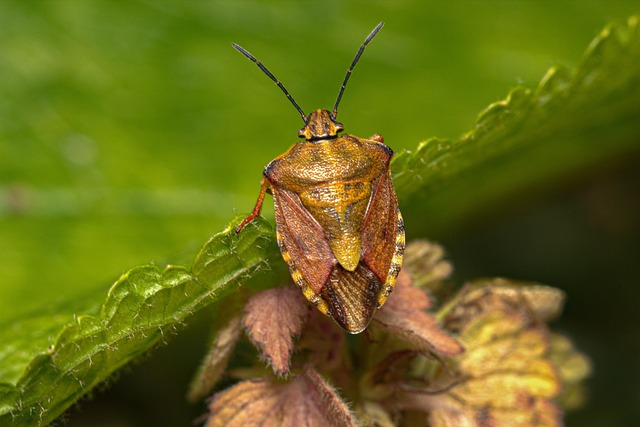
Brown marmorated stink bugs are among the most recognizable fall home invaders. They often gather on warm exterior walls before squeezing through cracks and openings.
Once indoors, they usually hide in attics, wall cavities, or other undisturbed areas. They may reappear on warm winter days or in early spring.
Avoid crushing stink bugs. As their name suggests, they can release an unpleasant odor when disturbed or squashed.
Boxelder Bugs
Boxelder bugs are black insects with red or orange markings. They may gather in large numbers on sun-warmed walls, particularly near boxelder, maple, or ash trees.
Like stink bugs, they commonly enter buildings to overwinter. They do not typically reproduce inside homes, but their numbers can make them an unwelcome nuisance.
Asian Lady Beetles
Asian lady beetles are often mistaken for ordinary ladybugs. During fall, they may cluster on light-colored buildings and enter through gaps around roofs, windows, doors, and siding.
Although these beetles can be beneficial outdoors, large numbers inside the home are another matter. They may release a yellowish defensive fluid that has an unpleasant smell and can stain light-colored surfaces.
If you are unsure which beetle you are seeing, this guide explains the difference between ladybugs and Asian beetles.
Cluster Flies
Cluster flies are slightly larger and slower-moving than common houseflies. They often enter attics and wall spaces in late summer or fall, where they remain sheltered during cold weather.
On mild or sunny days, they may become active and appear around windows. They are attracted to the light because they are trying to find a way back outdoors.
Western Conifer Seed Bugs
Western conifer seed bugs are sometimes mistaken for stink bugs or even kissing bugs. They have long bodies and flattened, leaf-like sections on their hind legs.
These insects feed on developing seeds and cones outdoors. However, adults may enter buildings during fall in search of protected overwintering sites.
Cockroaches and Ants
Cockroaches and ants are not always seasonal visitors. Unlike many overwintering insects, they may find food, water, and suitable nesting conditions inside the house and remain active.
If ants begin forming trails through your kitchen or pantry, identify where they are entering before treating the visible insects. You can also explore these methods to get rid of ants naturally.
Spiders
Fall is often associated with an increase in spider sightings. However, every spider seen indoors did not necessarily move in because of the cold.
Some spiders have been living quietly in the home for months. Mature males may simply become more visible during fall as they wander in search of mates. Others may enter accidentally through open doors, windows, firewood, plants, or stored items.
Where Do Bugs Go in the Winter?
When people ask where bugs go in the winter, the answer depends on the species.
Some insects migrate to warmer regions. Others survive beneath the soil, inside plant stems, under leaf litter, beneath loose bark, or at the bottom of ponds. Certain species produce natural compounds that help protect their bodies from freezing.
The bugs in your house during winter may be hiding:
- Inside wall voids
- Beneath siding
- Behind baseboards
- Around window and door trim
- Inside attics or crawl spaces
- Near chimneys
- In garages and sheds
- Under stored boxes
- Around plumbing or utility openings
They may remain inactive for weeks or months. However, heating systems or sunny winter days can warm their hiding places and cause them to emerge early.
That is why you may suddenly find a stink bug or cluster fly moving across a window in the middle of winter. The insect is not necessarily entering at that moment. It may have been inside the structure since fall.
Some pests remain active throughout the colder months. Fleas, bed bugs, cockroaches, and certain mosquitoes can continue causing problems when indoor conditions suit them. You can read more about winter bugs that bite and the precautions you can take.
Does Seeing Fall Bugs Mean You Have an Infestation?
Not always.
A few stink bugs, Asian lady beetles, boxelder bugs, or cluster flies may simply be overwintering visitors. These insects generally do not establish breeding populations inside ordinary homes.
However, repeated sightings of cockroaches, bed bugs, fleas, pantry pests, or ants can indicate an active indoor problem.
Pay attention to:
- How many insects you are seeing
- Whether you see adults, eggs, or immature insects
- Where the bugs are appearing
- Whether they are damaging food, fabric, plants, or wood
- Whether anyone is being bitten
- Whether droppings, shed skins, stains, or unusual odors are present
One wandering bug may be an accident. Dozens appearing in the same area deserve a closer look.
How to Keep Bugs Out of the House in Fall
The best time to prevent fall pests is before they settle inside. Once insects disappear into walls or attic spaces, reaching them becomes far more difficult.
Inspect the Outside of Your Home
Walk slowly around the building and look for cracks, holes, loose materials, and places where two surfaces meet.
Pay particular attention to:
- Door and window frames
- Utility lines
- Dryer vents
- Outdoor faucets
- Roof edges
- Soffits and fascia boards
- Foundation openings
- Garage doors
Perform the inspection during daylight so that small gaps are easier to see.
Seal Cracks and Openings
Use an appropriate exterior sealant around gaps and cracks. Install weatherstripping around doors and add door sweeps where light is visible beneath them.
Larger openings may require mesh, flashing, or repairs rather than caulk alone. Avoid sealing active vents or drainage openings without installing the correct protective screening.
These steps are useful throughout the year. For more seasonal prevention ideas, see our guide on how to keep bugs out of the house in summer.
Repair Screens
Inspect screens on windows, doors, attic vents, and exhaust openings. Replace torn mesh and make sure screens fit tightly around their frames.
Remember that some tiny insects can pass through ordinary screen mesh. If very small bugs are a recurring problem, you may need a finer mesh that still allows proper ventilation.
Reduce Moisture
Repair leaking pipes, faucets, roofs, and air-conditioning units. Use ventilation or a dehumidifier in damp basements, bathrooms, attics, and crawl spaces.
Moisture does not attract every fall pest, but it can make your home more appealing to cockroaches, booklice, silverfish, and other insects that prefer humid conditions.
Remove Easy Food Sources
Store dry goods in sealed containers, wipe up crumbs and spills, clean beneath appliances, and keep garbage bins closed.
Also, avoid leaving pet food out overnight. Even a small amount of food can sustain insects that have already entered the home.
Move Outdoor Clutter Away From the House
Firewood, leaves, cardboard, mulch, plant debris, and unused containers can provide shelter for bugs. Keep firewood elevated and away from exterior walls whenever possible.
Before bringing firewood, potted plants, seasonal decorations, or storage boxes indoors, inspect them carefully. Sometimes we carry bugs into the house without realizing it.
Vacuum Visible Fall Invaders
A vacuum is one of the simplest ways to remove stink bugs, lady beetles, boxelder bugs, and cluster flies.
Empty the vacuum outdoors soon afterward, preferably into a sealed bag or container. If you vacuum large numbers of stink bugs, be aware that their odor may linger in the machine.
For recurring flying insects, you may also want to compare indoor trapping options. Our DynaTrap indoor insect trap review explains what these traps can catch and where their limitations lie.
Be Careful With Indoor Pesticides
Spraying every bug you see may not solve the underlying problem. Insects hidden inside wall voids are difficult to reach, and unnecessary pesticide use may expose people, pets, and beneficial insects to avoidable risks.
Always read and follow the product label. Never apply an outdoor pesticide indoors unless the label specifically permits it.
If you are dealing with a large infestation, biting insects, wood-destroying pests, or a species you cannot identify, contact a qualified pest-control professional.
Frequently Asked Questions About Bugs in the House in Fall
Why are there suddenly so many bugs in my house?
Seasonal changes may be causing overwintering insects to search for shelter. Open windows, damaged screens, exterior cracks, moisture, and available food can also make it easier for bugs to enter and remain indoors.
At what temperature do bugs come inside?
There is no single temperature that causes every insect to enter a home. Different species respond to changes in temperature, daylight, humidity, and food availability. Their movement may begin in late summer and continue throughout fall.
Do bugs die when winter arrives?
Some do, but many insects have strategies that allow the species to survive. They may migrate, enter dormancy, overwinter in a particular life stage, or shelter in protected locations.
Why do bugs appear near windows during winter?
Warm indoor temperatures can wake dormant insects. They move toward windows because of the light and warmth, often while attempting to find a way outside.
How do I get rid of bugs in the house?
Start by identifying the bug. Vacuum occasional nuisance invaders, seal entry points, repair screens, reduce moisture, and remove food sources. Persistent activity may require species-specific treatment or professional help.
Keep Fall Bugs From Becoming Winter Houseguests
Most fall pests are not plotting an invasion. They are responding to seasonal changes and searching for a place where they can survive.
Unfortunately, the shelter they choose may be inside your walls, attic, garage, or living room.
Now that you understand why bugs move indoors in fall, you can take action before they become settled. Inspect your home’s exterior, seal small openings, repair screens, reduce moisture, and remove anything that provides food or shelter.
A little fall pest-proofing can make the difference between spotting the occasional wandering insect and spending the winter wondering what just crawled behind the sofa.


